
How to Prepare and Switch Your Company to Solar Power in Nigeria
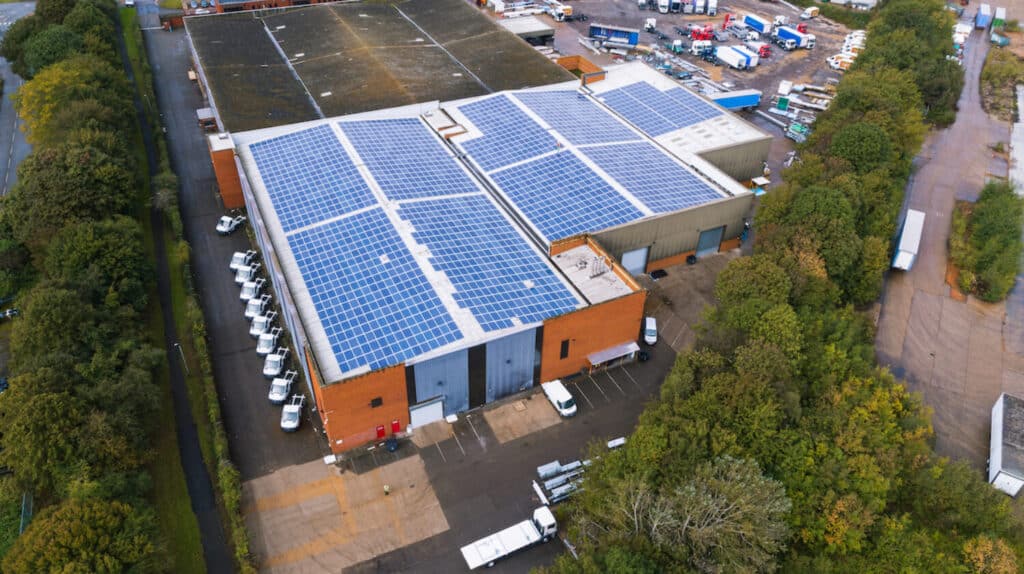
For Nigerian businesses, electricity is one of the biggest and most unpredictable costs. Between unreliable grid supply and the rising price of diesel, many companies spend a fortune just to keep the lights on. Solar power changes that equation — cutting energy bills, ending generator dependence and protecting your operations from outages. Here is how to prepare and switch your company to solar power in Nigeria, step by step.
Step 1: Assess whether your business is ready for solar
Start with an honest assessment of three things: your energy usage (how much you consume and when), your location and roof or ground space for panels, and your current spend on diesel and grid power. Businesses that run heavy loads during daylight hours — offices, shops, schools, clinics, hospitality — see the fastest returns, because solar generates most when they are using power.
Step 2: Choose the right solar solution for your load
There is no one-size-fits-all system. The right setup matches your specific energy demand and budget. A solar system for business typically combines solar panels, a hybrid inverter, a battery bank and a charge controller, sized to either cover your full load or offset the most expensive part of your bill. We design each system around your actual consumption rather than guesswork.
Step 3: Plan the transition and budget
Switching to solar is an investment with a clear payback period. Compare your projected solar cost against what you currently spend on diesel and grid power each month — for many Nigerian businesses, the system pays for itself within a few years and saves money for decades after. You can also phase the rollout, starting with critical loads and expanding over time.
Step 4: Install professionally
Commercial solar is not a DIY job. Proper panel mounting, cabling, inverter configuration, battery ventilation and safety protection are essential for performance and longevity. Work with an experienced installer who assesses your site, handles the engineering and stands behind the work.
Step 5: Maintain and monitor your system
To get the best return, keep the panels clean, monitor performance, and service the system periodically. Quality hybrid inverters let you track generation and consumption so you can see your savings and catch issues early. A well-maintained solar system delivers reliable power for 20+ years.
Power your business with solar
Battery Joint has helped businesses across Nigeria — including names like GTBank and Coronation Insurance — move to cleaner, cheaper, more reliable power since 2012. Request a free assessment or see our solar systems and inverters.
Frequently asked questions
How much does it cost to switch a business to solar in Nigeria?
Cost depends on your energy load and how much of it you want solar to cover. A right-sized assessment gives an exact figure, but most businesses recover the investment through diesel and grid savings within a few years.
Can solar completely replace my generator?
For many businesses, yes — a well-sized solar and battery system can run your operations day and night. Some keep a generator purely as occasional backup for extended cloudy periods or heavy surges.
How long does a commercial solar installation take?
It depends on system size and site conditions. After the assessment and design, most installations are completed within days to a few weeks. We give you a clear timeline upfront.
Will solar work during the rainy season?
Yes. Panels still generate on cloudy days, just at reduced output. Systems are designed with battery storage and, where needed, grid or generator backup to cover low-sunlight periods.

Jibola
Jibola writes for Battery Joint, a Lagos-based inverter and solar company that has designed and installed power systems for over 700 homes and businesses across Nigeria since 2012. The team specialises in inverters, solar power, lithium and tubular batteries, and charge controllers.